FDA Device Guidance Agenda 2027: What Medtech Teams Should Plan For.
The short version
- 01 CDRH lists eight A-list and five B-list guidances for fiscal 2027.
- 02 Final AI-enabled device software guidance sits on the A-list.
- 03 Robotically-assisted surgical device premarket guidance is also an A-list final.
- 04 Comments on the priority lists close November 30, 2026.
- 05 A standard 510(k) fee is $28,653 in fiscal 2027.
- 06 Small business status must be renewed every fiscal year.
The FDA device guidance agenda for fiscal 2027 lists 13 guidance documents the Center for Devices and Radiological Health (CDRH) plans to issue by September 30, 2027. AI-enabled software, change control plans, robotic surgery, pulse oximeters and cybersecurity lead it. Device makers can comment on the priorities until November 30, 2026.
Guidance documents are not law. They still shape what a reviewer expects to see in a 510(k), De Novo or premarket approval file, so a team that reads the agenda early can plan testing and documentation around it. A team that ignores it can end up redoing work after a submission is already in the queue.
This explainer is for medtech founders, regulatory leads and engineers who need to decide what to budget for over the next 12 months. Tech Business Town covers medical devices from prototype to ward, and we read the agenda the way a product team would: which items change your submission, which change your costs, and which are still too early to act on.
What is on the FDA device guidance agenda for 2027?
The 2027 agenda holds 13 guidances in two priority tiers, plus four early-stage topics. The A-list has seven final guidances and one draft that CDRH intends to publish this fiscal year. The B-list has three finals and two drafts it will issue as resources allow. An "Under Construction" list flags four topics still being developed.
The full titles are in the CDRH proposed guidances list for fiscal year 2027. The table below groups the items most likely to touch a product team's plans.
| List | Guidance topic | Status planned |
|---|---|---|
| A-list | AI-enabled device software functions: marketing submissions and lifecycle | Final |
| A-list | Predetermined change control plans for medical devices | Final |
| A-list | Robotically-assisted surgical devices: premarket submissions | Final |
| A-list | Quality management system information for premarket reviews | Final |
| A-list | Generative AI conversational devices for mental disorders | Draft |
| B-list | Pulse oximeters: performance testing and labeling | Final |
| B-list | Postmarket management of cybersecurity in medical devices | Draft |
The A-list is a stronger signal than the B-list, but neither is a promise. The FDA's fiscal 2027 agenda page reports that CDRH published 7 of the 11 guidances on its fiscal 2026 list. That is a 64% hit rate, so plan for most A-list items to land and treat the rest as likely but not certain.
AI and software dominate the 2027 FDA device guidance list
Software is the clearest theme in the new list. Two A-list items deal directly with AI. The first is a final version of the guidance on marketing submissions and lifecycle management for AI-enabled device software functions. The second is a new draft on evidence for generative AI chat devices aimed at mental disorders.
A third A-list item, the final guidance on predetermined change control plans (PCCPs), matters to almost every software team. A PCCP is a plan, cleared up front, that describes changes a manufacturer may make to a device later without filing a new submission. For a machine learning model that is retrained on new data, a solid PCCP can save a full review cycle.
The Under Construction list points further ahead. It includes risk assessment and evidence considerations for generative AI-enabled devices in general. On the B-list, a draft retitled "Policy for Device Software Functions" drops the old reference to mobile medical applications, which suggests the FDA is updating how it frames app-based products.
Our view at Tech Business Town is that any team shipping an AI feature in 2027 should write its PCCP now. Waiting for the final guidance to publish risks a gap between what the model needs and what the plan allows.
Cybersecurity sits close behind. The B-list includes a draft on postmarket management of cybersecurity in medical devices. That covers what a manufacturer does after launch: monitoring for new vulnerabilities, shipping patches and telling users about them. Connected devices such as infusion pumps, insulin systems and imaging consoles stay in service for years, so the postmarket side is where most of the work sits.
The generative AI draft for mental health devices is narrow, but it is the first time a chat-style product appears on the agenda as its own topic. Teams building any conversational health tool should read it when it lands, even if their product treats a different condition, because evidence expectations tend to spread across similar products.
Robotic surgery and pulse oximeters get final guidance
Two hardware categories get specific attention. Robotically-assisted surgical devices are on the A-list for a final premarket submissions guidance. Pulse oximeters are on the B-list for a final guidance covering bench and clinical performance testing, labeling and submission content.
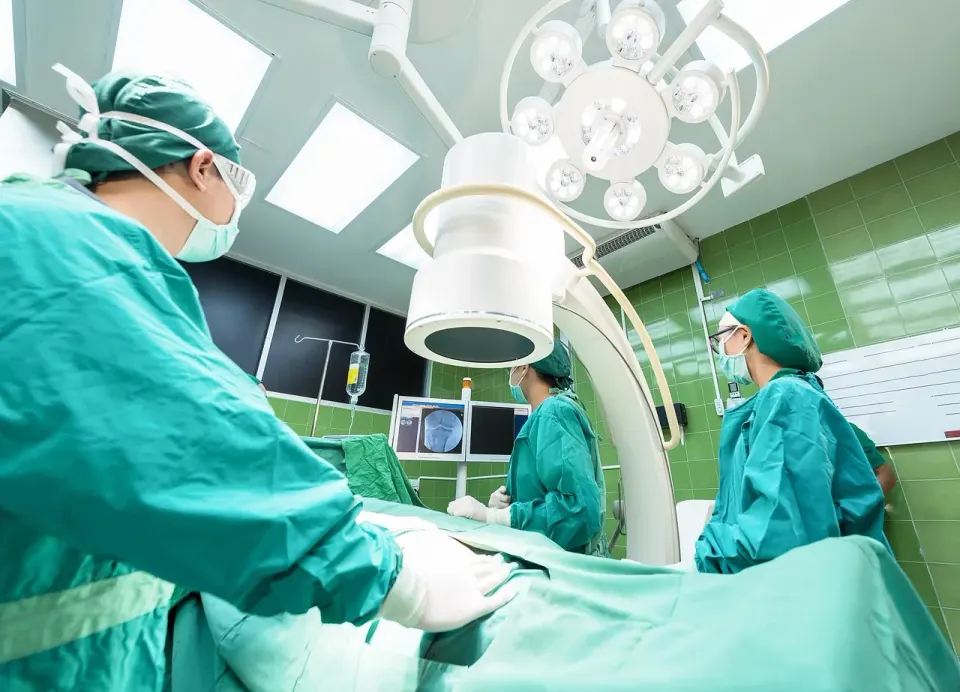
Surgical robots share a design problem with factory robots: the hazard analysis has to come before the hardware choices are locked. The thinking behind running a cobot risk assessment before you buy carries over well, even though the surgical version adds clinical evidence on top. Teams developing these systems should map their current test plans against the FDA's draft content now, since the final version is likely to firm up what a reviewer expects.
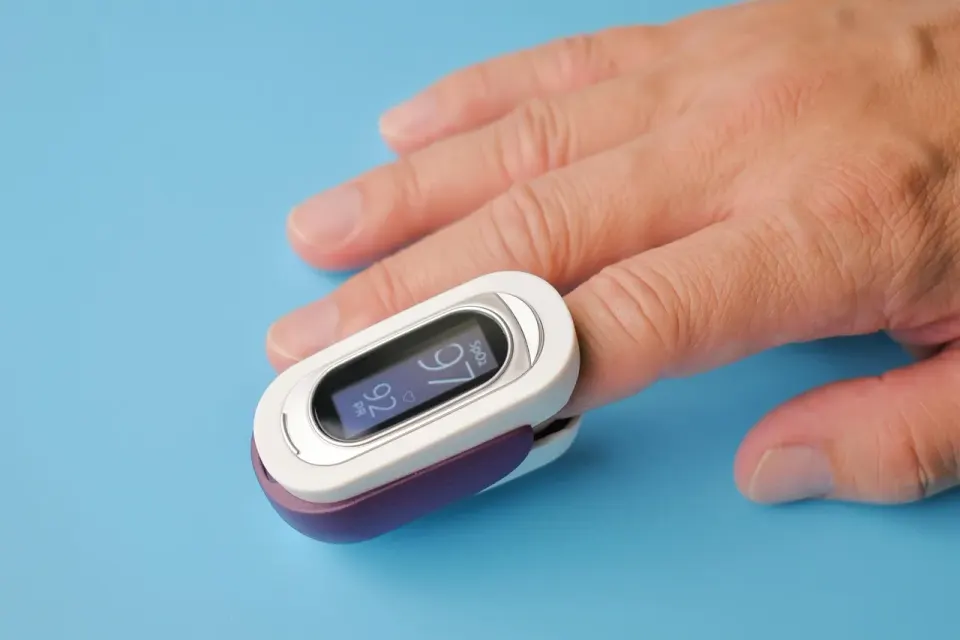
The pulse oximeter guidance is narrower, but the stakes are public. The device is in nearly every hospital room and many homes. A final guidance on clinical performance testing would set the bar new models have to clear, so makers of wearables with blood oxygen features should watch it closely.
Quality system rules now sit inside premarket review
The quality item on the A-list builds on a rule that already changed. The FDA's Quality Management System Regulation (QMSR) took effect on February 2, 2026, and incorporates the international standard ISO 13485:2016 by reference. On the same date, the FDA retired its old inspection technique and moved to an updated compliance program.
The A-list guidance on quality management system information for premarket reviews would tell sponsors what QMS evidence belongs in a submission. That matters most for premarket approval files, where a reviewer looks at manufacturing controls alongside the device itself. Teams that built their quality system around ISO 13485 for European or Canadian markets are in the best position.
Smaller firms often treat quality documentation as a pre-launch task. Under the QMSR, that approach can show up as a gap in the submission itself, not just at a later inspection.
How much will an FDA submission cost in fiscal 2027?
A standard 510(k) costs $28,653 in fiscal 2027, or $7,163 for a qualifying small business. A De Novo request costs $191,020, or $47,755 for small businesses. A premarket approval application costs $636,732 at the standard rate. Annual establishment registration is $13,785.
Those figures come from the FDA's medical device user fee table for October 1, 2026 through September 30, 2027. The gap between standard and small business rates is large enough to change a startup's runway math. Cost spikes outside a team's control are a theme across industrial tech this year, from device fees to the diesel prices pushing fleets toward electric trucks.
Qualifying is not automatic. Under the FDA's Small Business Determination program, a firm with gross receipts of $100 million or less, including affiliates, gets reduced fees. A firm at $30 million or less can get its first premarket application fee waived. Status expires September 30 of the year it is granted, so a new request is needed each fiscal year.
The B-list includes a final guidance on small business qualification. That could change how the FDA reviews these requests, so check the process before filing next year's request.
How to use the FDA device guidance agenda this quarter
The agenda is most useful as a planning checklist. These are the steps we would take before the end of 2026.
- Match each product on your roadmap to any A-list or B-list item it touches.
- Read the existing draft version of each matching guidance, if one exists.
- Submit comments to docket FDA-2012-N-1021 by November 30, 2026, if a priority matters to you.
- File your small business request early in the fiscal year, before your next submission.
- Book a Q-Submission meeting if a draft guidance leaves your test plan unclear.
Commenting is underused by small firms. The FDA asks specifically for input on how items should be ranked, and a short, specific comment from a company building the device can carry weight.
What the 2027 FDA device guidance agenda means for medtech teams
The FDA device guidance agenda for 2027 leans hard on software and AI. Robotic surgery, pulse oximeters and quality system evidence round out the A-list and B-list. Submission fees are steep, which makes small business status worth the paperwork.
The next step is simple. Map your roadmap to the list this month, comment by November 30, and write your change control plan before the final guidance arrives.
Fact-checked as of October 30, 2026 against FDA agenda, QMSR and user fee pages. This is general information, not regulatory advice for a specific device.
What is the FDA device guidance agenda?
When is the deadline to comment on the FDA's 2027 device guidance list?
How much does a 510(k) cost in fiscal 2027?
Does the FDA always publish every guidance on its annual list?
About the author
Nkem Adeyemi
Nkem Adeyemi edits the medtech and agritech desks. A biomedical engineer by training, she worked in quality and regulatory roles at two device makers before moving into reporting, and grew up on a mixed farm that still argues about yield maps.
All stories by Nkem 3 stories
Keep reading
More from
the newsroom.

Medtech 01
Why a medical device takes years to reach the ward

EV & Mobility 02
Electric Truck Orders Hit a 2026 High as Diesel Tops $6 a Gallon
Robotics 03
How to Run a Cobot Risk Assessment Before You Buy

Liked this?
Get five more.
For founders, engineers and operators who would rather read the spec sheet than the press release.
The Town Crier Free
Your week in industry, in five minutes.
One email on Wednesday morning. The stories worth your time this week, and nothing else.
No spam. Unsubscribe anytime.